The Changing Landscape of Vaping: Technology, Regulation, and Consumer Perception
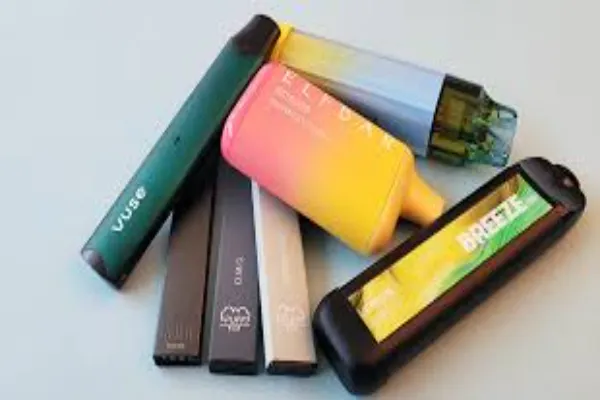

The vaping industry continues to evolve, shaped by shifting regulations, public-health discussions, and changing consumer behavior. While early vaping devices were often positioned as alternatives to traditional smoking, more recent conversations center around formulation transparency, device efficiency, safety testing, and ingredient disclosure. Consumer expectations have changed as well.
Rather than choosing a device simply because it exists, people are paying closer attention to how products are made, what they contain, and how they are regulated. Categories referenced in trend discussions, such as Delta 9 Vape Pen, are part of this broader landscape of evolving consumer interest, legality, and public dialogue.
The vaping space now sits at an intersection of technology, public policy, and cultural perception. The conversation is no longer only about whether vaping is an alternative to smoking, it’s about oversight, transparency, compliance, long-term research, and the role inhalation-based products may or may not play in the future wellness and recreational markets, including devices such as a dry herb vape that are gaining attention in evolving discussions around vaporization technologies.
How the Industry Has Evolved
The earliest vaping devices were simple in design and limited in variety. Over time, devices became more sophisticated. Adjustable airflow, battery longevity, variable heat control, and more refined delivery systems emerged as key areas of development. As technology improved, the industry began offering a wider range of formulations, including nicotine-free products, hemp-derived versions, and cannabinoid-based variations depending on regional regulations.
With those changes came increased public scrutiny. Health researchers, policy makers, and consumer advocacy groups began asking more detailed questions about inhalation safety, carrier oils, additives, synthetics, and long-term exposure. This inquiry has continued as scientific institutions explore the effects and safety considerations surrounding inhalable compounds.
Regulation and the Push for Standardization
One of the most significant influences on the vaping market is ongoing regulatory development. Rules differ depending on country, state, and even municipality, making the legal environment complex and sometimes confusing for consumers and manufacturers. These regulations continue to evolve, especially related to manufacturing quality, age access, labeling standards, and ingredient transparency.
Regulatory agencies in many regions have emphasized the importance of compliance and responsible distribution, especially due to concerns about underage access and unclear product labeling. Safety warnings, packaging requirements, and chemical testing are becoming increasingly common areas of focus.
As expectations shift, standardization is seen as essential for product clarity and consumer safety. The industry continues to adapt as more structured systems emerge.
Ingredient Transparency and Consumer Expectations
In the early stages of vaping culture, there was limited public awareness of what vape liquids contained. Today, ingredient conversations are prominent. Many consumers want to know the origin of ingredients, whether third-party testing exists, how formulations are produced, and whether additives are used.
This change reflects a broader cultural pattern: people are paying more attention to what goes into the products they consume, whether those products are food, supplements, cosmetics, or inhalable compounds. Transparency has become a core expectation rather than an optional selling point.
News outlets and market analysts, including platforms like Forbes Health, have noted increased demand for labeling clarity, lab test reporting and responsible market behavior as key areas shaping the future of vaping.
Public-Health Perspectives and Ongoing Research

Scientific research related to vaping continues to expand, though many long-term questions remain unanswered. Public-health organizations frequently highlight the need for additional controlled studies on inhalation risks, youth exposure prevention, chemical breakdown under heat, and standardization in product testing.
Health experts often recommend caution, especially in situations where users may not fully understand the ingredients or legality of what they are inhaling. Because research is still developing, many public discussions emphasize education and informed decision-making instead of assumptions about safety or risk.
As more data becomes available, regulators, manufacturers and the public will have clearer information to guide their stance on the long-term role of vaping.
Cultural Shifts and Changing Perception
Vaping has undergone several shifts in public perception. In its earliest years, it was viewed by some as a fringe trend. Later, it became mainstream and highly visible, especially among younger adults. More recently, the conversation has become more serious and research-focused, and public messaging has shifted toward caution, context and awareness.
These changes influence how vaping is marketed, discussed and regulated. The tone of the conversation now emphasizes accountability and clarity, signaling that vaping has transitioned from novelty to a topic requiring thoughtful evaluation.
Market Diversification and Consumer Complexity
The current vaping market is not monolithic. Some consumers focus on nicotine-related products, others explore hemp-derived formulas depending on legal jurisdiction, and some avoid inhalation altogether and choose non-vape formats for personal or health reasons. Because of this diversity, no single narrative captures the entire vaping sector.
Products like the Delta 9 Vape Pen appear in trend reporting as one part of a wide spectrum, reflecting how different niches within the vaping space have emerged. That diversity makes regulation more challenging, but it also signals that consumer priorities are not uniform.
The Future of the Vaping Landscape
Looking ahead, experts expect the vaping sector to continue shifting. Increased regulation, research, ingredient standardization, consumer education, and manufacturing oversight are likely to shape the next phase of the industry. Transparency, measurable quality, and responsible access may become core pillars.
Rather than disappearing, vaping may become more controlled, better defined, and more clearly regulated. The outcome will likely depend on research findings, legislative decisions, and societal attitudes toward inhalation-based products.
The landscape of vaping is still changing. Technology continues to advance, regulations continue to adapt, and consumer expectations continue to evolve. Categories referenced publicly, exist within a complex environment shaped by legality, scientific inquiry, and shifting public understanding. As the conversation becomes more nuanced, the emphasis is less on trend and more on transparency, clarity, and informed decision-making.