Is It Better to Install a Deck in Spring, Summer, or Fall?
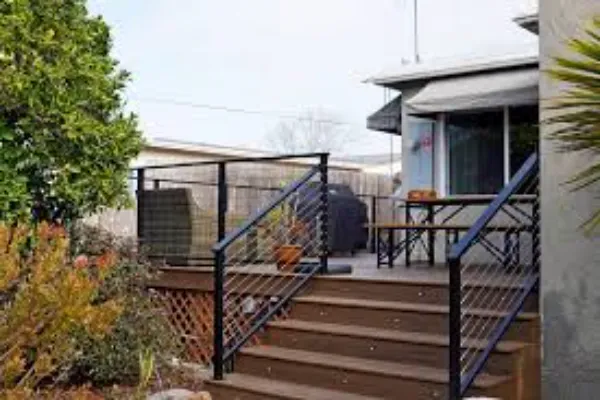
Thinking about adding a deck to your home? A new deck doesn’t just expand your outdoor living space — it also increases your home’s value and enhances your backyard experience. But one common question homeowners in Washington State often ask is: When is the best time to install a deck — spring, summer, or fall?
The truth is, each season has its own pros and cons. Your ideal time for deck installation depends on your goals, schedule, and the local weather. Let’s take a closer look at how each season stacks up and what you should consider before starting your project.
Spring: The Season of New Beginnings
Spring is a popular time for new deck construction. After a long winter, many homeowners are eager to freshen up their outdoor spaces. The temperatures are mild, and the days start getting longer — perfect for construction projects.
Pros of Installing a Deck in Spring:
- Mild Weather: Spring offers comfortable working conditions, ideal for building decks.
- Ready for Summer Use: If you start early, your deck will be finished just in time for summer BBQs and outdoor parties.
- Early Scheduling: Getting started in spring helps you avoid the busy summer rush, when contractors are often fully booked.
Cons of Spring Deck Installation:
- Rain Delays: Washington’s spring can be unpredictable, with frequent showers that might delay progress.
- Soil Moisture: Wet ground conditions may make it harder to pour concrete footings or install framing.
Best For: Homeowners who plan ahead and want their deck ready for full summer enjoyment.
Summer: Peak Season for Deck Projects
Summer is often considered the prime time for deck installation in Washington, thanks to long daylight hours and mostly dry weather. It’s also when homeowners have the most flexibility to work on outdoor upgrades.
Pros of Installing a Deck in Summer:
- Dry, Stable Conditions: Less rain and warmer weather make it easier for deck builders to work efficiently.
- Fast Project Completion: Dry conditions allow quicker curing for materials like concrete and wood sealants.
- Flexible Design Options: You can visualize your outdoor space clearly with full sunlight and green surroundings.
Cons of Summer Deck Installation:
- High Demand: Contractors’ schedules fill up fast, leading to longer wait times or higher prices.
- Hot Temperatures: In some areas, heat can cause discomfort for workers and affect material handling.
- Limited Availability of Materials: Supply shortages can occur during the busy season.
Best For: Homeowners who want to take advantage of perfect building weather and can secure their contractor early.
Fall: The Smart Homeowner’s Secret
Fall is often overlooked, but it’s actually one of the best times to install a deck in Washington State. With the busy season winding down, contractors have more flexibility and may even offer off-season discounts.
Pros of Installing a Deck in Fall:
- Cool, Dry Weather: Ideal temperatures for construction and for materials to settle properly.
- Faster Scheduling: Easier to find available and experienced deck installers.
- Ready for Next Year: Your deck will be fully set and weathered by the time spring rolls around.
- Better Material Prices: Lumber and composite decking materials may cost less after summer’s peak demand.
Cons of Fall Deck Installation:
- Shorter Days: Limited daylight can extend the timeline slightly.
- Approaching Winter: Late-season rain or cold snaps could delay staining or sealing.
Best For: Homeowners looking for cost savings, flexible scheduling, and a head start on next year’s outdoor plans.
Winter: Rare, But Possible
While winter deck installation isn’t common in Washington due to cold and wet conditions, some homeowners with flexible schedules still choose this time. With proper weatherproofing and professional expertise, decks can be built year-round in some regions.
Pros of Installing a Deck in Winter:
- No Wait Times: Contractors usually have open schedules, so you can get your project started right away.
- Immediate Savings: Off-season pricing may lower labor or material costs.
- Ready by Spring: Your deck will be complete and ready for use once the weather improves.
Cons of Winter Deck Installation:
- Cold and Wet Conditions: Frequent rain and freezing temperatures can slow work.
- Material Handling Issues: Some sealants and stains don’t apply well in cold weather.
- Limited Daylight: Fewer working hours may extend project duration.
Best For: Homeowners who want to save money and don’t mind waiting to use their deck until spring.
Comparing Each Season
Here’s a quick breakdown to help you decide:
| Season | Pros | Cons | Best For |
| Spring | Comfortable weather, deck ready for summer | Rain delays, wet soil | Early planners |
| Summer | Dry and bright, perfect building weather | High demand, higher costs | Homeowners ready to book early |
| Fall | Ideal weather, faster scheduling, lower costs | Shorter days, approaching rain | Smart budget planners |
| Winter | Off-season discounts, open schedules | Cold, wet, slower progress | Flexible homeowners |
Factors to Consider Before Scheduling
Before deciding when to build your deck, think about:
- Weather Conditions: Washington’s climate varies by region. Coastal areas may have more rain than eastern parts.
- Material Type: Composite decking can be installed year-round, while wood requires dry weather for sealing and staining.
- Budget Flexibility: Prices for both materials and labor can fluctuate depending on the season.
- Project Size: Larger decks take more time and might span multiple weather cycles.
- Contractor Availability: Reputable deck installers in Washington
get booked early — it’s best to plan ahead.
Why Timing Isn’t Everything
While choosing the right season helps, the real key to a successful deck project is quality installation and planning. A skilled contractor ensures your deck is built to withstand Washington’s wet climate, preventing issues like rot, warping, or drainage problems.
Professionals also help you choose the right materials, such as:
- Pressure-treated wood for affordability and strength.
- Cedar for its natural resistance to moisture.
- Composite decking for low maintenance and long-term durability.
By combining the right materials, proper design, and expert craftsmanship, you’ll have a deck that lasts for decades — no matter when it’s built.
Final Thoughts
So, is it better to install your deck in spring, summer, or fall?
The answer depends on your priorities. If you want your deck ready by summer, start early in spring. If you want perfect weather and flexible scheduling, fall is your best bet.
No matter the season, hiring a professional deck builder in Washington State ensures your investment stands strong against the region’s rain, wind, and changing temperatures. With the right planning and materials, you’ll enjoy your new outdoor space